
Hard skin and calluses are the most common complaints in foot care, and also the ones most often put off. At first, it's just a rougher area; over time, they thicken, pull on the surrounding skin, and end up causing discomfort when walking or wearing certain shoes.
The good news is that most can be resolved at home with a simple and consistent method. In this guide, we explain why they appear, how to remove foot calluses step by step, what changes depending on the area (the heel is not the same as the sole) and when it is best to leave it in the hands of a podiatrist.
Why do hard skin and calluses appear on the feet?
The skin on the feet does not thicken by chance. It is a defense mechanism: when an area receives repeated rubbing or pressure, the body responds by accumulating layers of keratin to protect itself. The problem is that this protection, maintained over time, becomes rigid and stops being comfortable.
The most common causes are:
- Inappropriate footwear. By far the first. Narrow shoes, heels that shift the weight to the forefoot, soles that are too rigid or, on the contrary, sandals without support that force the foot to "grip" when walking.
- The way you walk. A pronated or supinated gait, bunions, or claw toes concentrate the weight on specific points instead of distributing it. That is why calluses usually reappear always in the same place.
- Lack of hydration. Dry skin is less elastic, cracks sooner, and responds to friction by thickening more quickly.
- Spending many hours standing or walking a lot. Hospitality, healthcare, commerce, or retail jobs, and also running or walking long distances.
- Age. Over the years, the fatty pad on the sole of the foot thins and the bone is less protected.
This explains something important: if you only remove the callus but do not correct what causes it, it will return. Removing it provides relief; changing the footwear or checking the gait is what prevents it.
Hard skin, callus, and corn: they are not the same
They are used as synonyms, but it is best to distinguish them because they are not treated the same:
| Type | What it is like | Where it appears | Does it hurt? |
|---|---|---|---|
| Hard skin (callosity) | Wide, diffuse area of thickened and yellowish skin | Heel, sole, forefoot area | Normally not, or only causes discomfort |
| Callus (heloma) | Smaller and more defined, with a harder central core | Toes, areas of pinpoint pressure | Yes, especially when pressed |
| Corn | Soft and whitish callus, with a moist appearance | Between the toes | Yes, quite a bit |
Hard skin responds very well to home treatment. Calluses with a core and corns usually need professional assessment, because the core must be removed entirely so it does not regrow.
How to soften hard skin before removing it
This is the step most people skip and the one that makes the difference. Trying to file or remove hard skin while dry is slow, painful, and ends up damaging the healthy skin around it. Soften first, remove later.
What to soak your feet in (and for how long)
A 15-20 minute soak in warm (not hot) water is enough for the thickened layer to soften. You can do it with just water, but there are additives that help:
- Epsom salt or coarse sea salt. A generous handful. It is the most used option: it softens and also relieves the feeling of heaviness. You can see our range of relaxing bath salts if you want a pre-prepared formula.
- Baking soda. One or two tablespoons. It softens the skin and helps with odor.
- Apple cider vinegar. A splash in the water. Its acidity helps loosen dead skin, but if you have sensitive skin or an open crack, it is better to skip it.
Three practical tips:
- Warm water, not hot. Very hot water dries out and worsens the problem in the long run.
- Don't overdo the time. More than 20-25 minutes macerates the healthy skin and leaves it vulnerable.
- Dry well, especially between the toes, before moving on to the next step.
If you want to turn this moment into something more than a chore, in this guide we tell you how to do a foot spa at home with the materials you probably already have.
How to remove hard skin from the feet step by step
With the skin already softened, the complete process is this:
1. Apply a softening product to the area. If the hard skin is significant, water alone is not enough. A hard skin remover acts directly on the accumulated keratin and makes the next step half as difficult. Leave it on for the time indicated on the container.
2. Remove the thickened skin little by little. With a foot file or a pumice stone, in gentle movements and in one direction. The golden rule: never try to remove it all at once. It is better to do short sessions two or three times a week than an aggressive session that leaves the skin raw and causes it to thicken even more.
3. Exfoliate the rest of the foot. Once the thick layer is removed, an exfoliating gel evens out the result and removes the dead cells from the surrounding area. Without this step, the foot is left with a visible "step" between the treated area and the rest.
4. Hydrate deeply, while the foot is still warm. It is the step that is most neglected and the one that decides if the work lasts a week or a month. Look for formulas with urea (at 10-20% for maintenance, at 20-30% for marked hard skin) or with lactic acid. You have options in the dry skin moisturizers section.
5. Repeat consistently. Two or three sessions a week for the first two weeks, and then one for maintenance. Hard skin is not removed in a day; it is gradually reduced.
Depending on the area: not all hard skin is treated the same
Hard skin and calluses on the sole of the foot
It is the most frequent area and the one that causes the most discomfort, because it supports all the weight when walking. They usually appear in the forefoot, right under the toes, and in people who spend many hours standing or wear heels regularly.
Here consistency matters more than force: the skin of the sole is naturally thick and responds poorly to aggressive treatments. Long soak, softener, gentle file, and lots of hydration. If the hard skin on the sole hurts when walking or you notice a specific area as if you had a stone inside your shoe, there may be a callus with a core: that case is for the podiatrist.
Hard skin on the heel
The heel accumulates constant pressure and is also where the skin dries out the most, especially in summer with open sandals and in winter with heating. It is the area where the difference between exfoliating without hydrating (it comes back in days) and hydrating daily (it lasts weeks) is most noticeable.
An important nuance: hard skin on the heel is not the same as a cracked heel. If there are already visible cracks or the skin opens, avoid files and chemical exfoliants until the skin closes, and focus on intensive hydration with urea.
Hard skin on the big toe and between the toes
The side of the big toe is a classic friction point, especially if there is a bunion or if the footwear is tight across the width. It is treated the same as the rest, but with more care: the skin is thinner and it is easy to overdo it.
What appears between the toes deserves another reading. That area is always moist and there are usually no friction calluses but corns, which are soft and whitish. Do not file them or apply keratin products to them: take them to be assessed.
When the callus hurts: what to do and when to go to the podiatrist
Hard skin is uncomfortable. A callus that hurts constantly is warning of something: normally that there is a core pressing inward, or that the load is concentrating poorly at that point.
While you decide, you can relieve the pressure with offloading pads (those felt ones with a hole in the center) and avoid the shoe that is causing it. But there are situations in which it is not advisable to treat it on your own:
- If you have diabetes, circulation problems, or loss of sensitivity in the feet. In these cases, a small wound can become very complicated, and the medical recommendation is not to use files, blades, or keratolytic products without supervision.
- If the area is red, hot, swollen, or oozing.
- If the callus always reappears in the same spot no matter how much you treat it: that points to a gait problem that must be corrected with orthotics or footwear, not with exfoliation.
- If it hurts so much that it changes your way of walking.
And a warning that is worth repeating: never use blades, scalpels, or razor blades at home. Cutting the thickened skin without training is the most common cause of foot infections, and also the skin responds by thickening even more.
Home remedies: which work and which do not
There are many myths circulating. Setting things straight:
They work as support (not as treatment): - Soak with Epsom salt or baking soda. It really softens, it is the basis of everything else. - Diluted apple cider vinegar. It helps loosen dead skin if the skin is intact. - Olive oil or coconut oil at night with a cotton sock. It does not remove the hard skin, but it keeps the skin flexible between sessions.
They do not work, or are directly a bad idea: - Crushed aspirin. It circulates a lot as a "homemade salicylic acid peel". The concentration is uncontrollable and chemical burns are a real risk. - Bleach, ammonia, or diluted cleaning products. They appear in forums. Do not use them under any circumstances. - Blades and callus cutters. We have already said it above, but it is the most repeated mistake. - Filing dry and with force. It looks faster and leaves the skin irritated, which is exactly what causes more hard skin.
What product to use to remove hard skin
It depends on the starting point:
- Mild hard skin or maintenance. A soak, regular exfoliation with an exfoliating gel, and daily hydration are enough.
- Marked or old hard skin. Here you need a hard skin remover that acts on the keratin before filing. It is the difference between spending fifteen minutes fighting with the file or removing it effortlessly.
- Very dry skin with a tendency to crack. The priority is sustained hydration with urea; the dry skin moisturizers work in the medium term and prevent the problem from recurring.
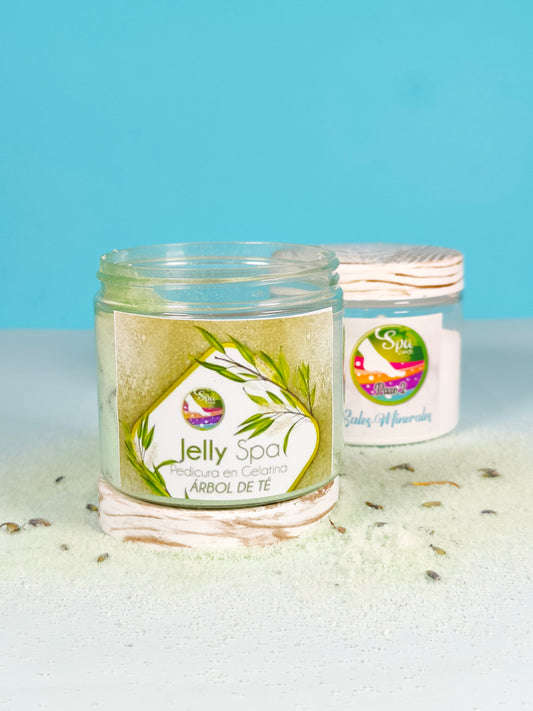
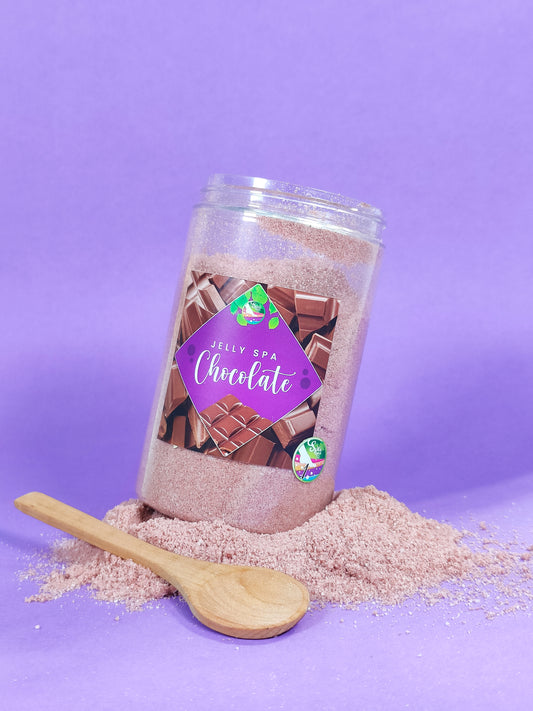
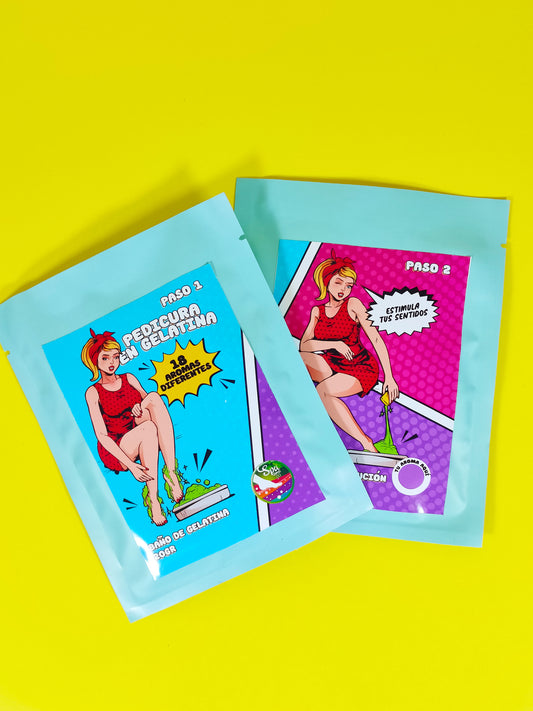
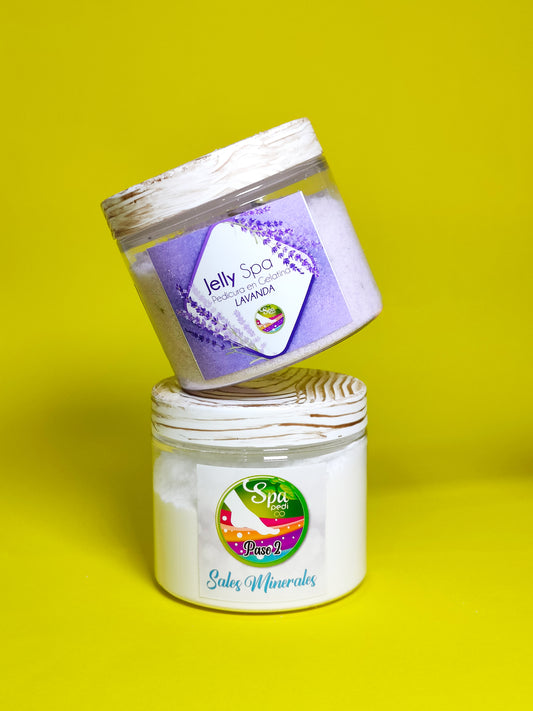
- If you want the complete ritual. The Jelly Spa treatment turns the soak into a spa experience and keeps the water at temperature for longer, which is exactly what helps the skin to really soften.
How to prevent them from coming back
Removing them is half the work. The other half:
- Check the footwear. Wide enough in the toe, sole with some cushioning, and moderate heel daily. If a specific pair always causes the hard skin in the same place, that pair is the problem.
- Hydrate daily, not only when there is hard skin. Two minutes at night with a cream with urea prevent most relapses.
- Exfoliate once a week, not three times a day. Over-exfoliation causes the opposite effect.
- Alternate footwear. Using the same shoes every day always concentrates the pressure on the same points.
- If it always reappears in the same place, consider a gait study. It is the only way to solve it at the root.
Frequently asked questions
What is good for hard skin on the feet? The combination that works best is a soak in warm water with salts, a softening product on the area, a gentle file, and a cream with urea afterward. No step works well on its own.
Can calluses be removed at the root? Hard skin does disappear if the cause is removed. Calluses with a core need a professional to remove that core completely; if part remains, they regrow. And in both cases, if the pressure that caused them is still there, they will return.
What do podiatrists use to soften calluses? They work with professional concentration keratolytic solutions and remove the thickened layer with sterile instruments, in a session called chiropody. It is a safe procedure in the office that should not be replicated at home.
How long should the feet be soaked? Between 15 and 20 minutes. Less does not soften enough; more than 25 macerates the healthy skin.
How often can hard skin be removed? Two or three times a week for the first few weeks, and then once a week for maintenance. Doing it daily irritates the skin and speeds up its return to thickening.
Why do they always appear in the same place? Because the cause is still active: almost always a pressure point from the footwear or an uneven distribution of weight when walking. As long as it is not corrected, the treatment relieves but does not solve.
In summary: soften, remove little by little, exfoliate, hydrate, and correct the cause. With consistency, most hard skin improves visibly in two or three weeks. And if it hurts, is inflamed, or you have diabetes or circulation problems, a podiatrist consultation is not an extra: it is the right place.